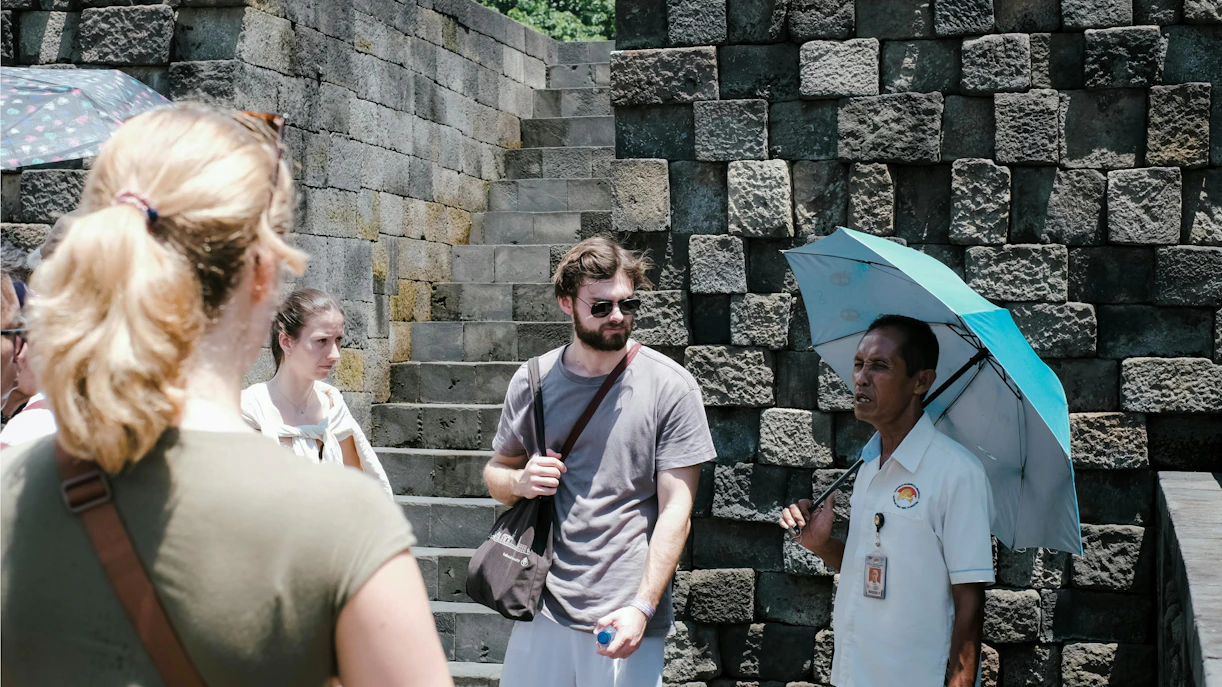
- Operating hours: Temple grounds open daily from 6:30am–4:30pm. Temple structure access runs daily from 8:30am–5pm.
- Special-time slots: Sunrise Serenity starts at 4am. The official sunset experience starts at 4pm.
- Arrival buffer: Reach the check-in area 30–45 minutes early for structure, sunrise, or sunset sessions.
- Typical visit length: Plan 2.5–3.5 hours for the structure, nearby grounds, and one museum.
- Best time of day to go: The 8:30am structure slot usually feels coolest. Midday terraces get hot fast.
- Best season or month to visit: May–September is usually drier. Waisak and year-end dates bring heavier demand.
How Headout makes choosing experiences effortless
We curate the best ways to experience
We research and organise all unique experiences - from tickets to tours to special combos - so you get all the choices without the clutter.
We partner with the best
Every supplier is vetted for quality, reliability, and value so you only get top rated experiences. No surprises, no disappointments.
All the best options, in one place
Each experience is thoughtfully organised to give you maximum availability, great value and an easy way to choose.
Book with complete peace of mind
Free cancellations, Flexible payments, and 24/7 support - thoughtfully designed for flexibility, assurance, and total peace of mind.
Slide 1 of 41/4
Slide 1 of 4

Quick overview
- Ways to experience: Choose Temple Grounds tickets, Temple Structure tickets, guided tours, sunrise experiences, or Borobudur & Prambanan combo tours.
- What's common: All options include Borobudur admission, while Temple Structure tickets and tours also include a licensed guide and upanat sandals.
- Inclusions vary: Selected options add fast-track entry, breakfast, hotel transfers, or entry to Prambanan Temple.
- Unique experiences: Sunrise tours offer early-morning access to the temple structure, with breakfast included on selected options.
- When to book: Temple Structure and sunrise experiences have limited daily capacity, so book early during holidays and peak travel periods.
- Best upgrade: Upgrade from Temple Grounds to Temple Structure for monument access, or choose a combo tour to visit Prambanan on the same trip.
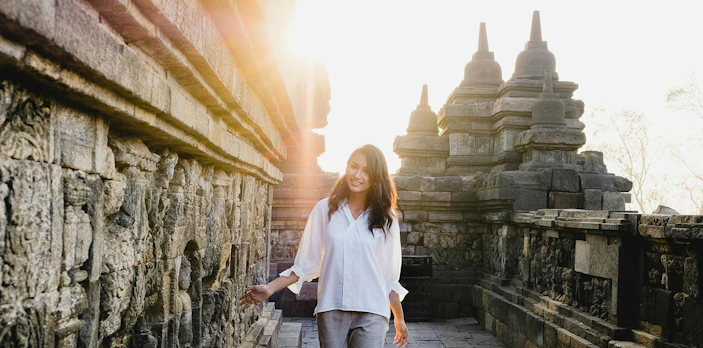
Which Borobudur Temple ticket is best for you?
| Experience | Price | Temple access | Guide | Transfers | Choose this if... |
|---|---|---|---|---|---|
Borobudur Temple Tickets | Rp48,000 | Temple Grounds or Temple Structure | No guide | NA | You want flexible, self-guided entry and can arrange your own transport. |
Borobudur Temple Tours | Rp722,078 | Temple Structure | ✔ Licensed temple guide | Optional | You want a guided visit with optional sunrise access and hotel transfers. |
Ultimate Temple Run: Prambanan & Borobudur Tours | Rp1,600,000 | Temple Structure + Prambanan | ✔ Licensed Borobudur Temple guide | ✔ Included | You want to visit both UNESCO World Heritage Sites in one organised trip. |
Galleries at Borobudur Temple
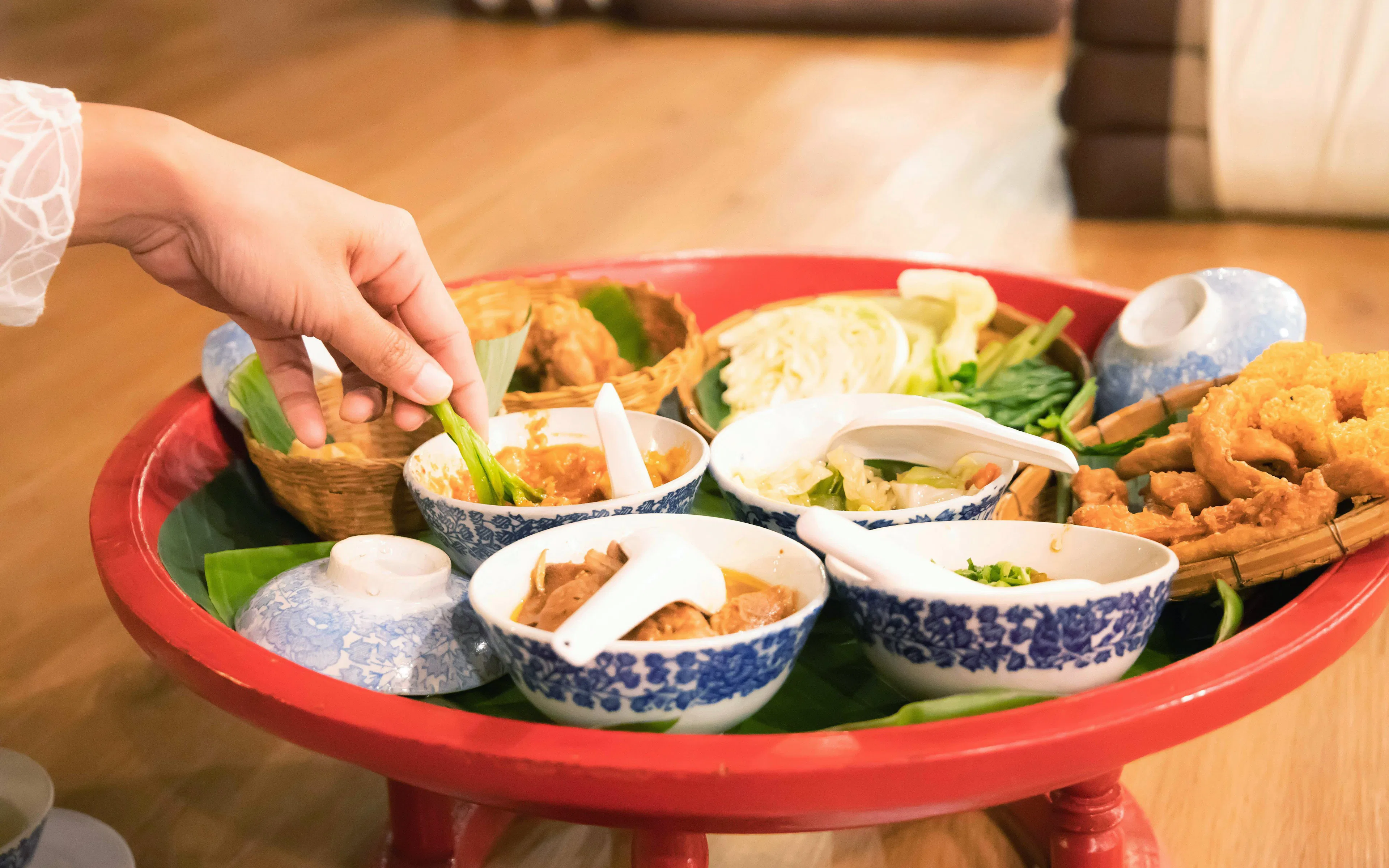
1/9
Kampung Seni Borobudur / Borobudur Art Village
Visitor Entry District – Contemporary Craft and Orientation
Most visits now begin here, not at the old temple-side gate. This entrance zone houses ticket validation, food stalls, souvenir areas, an art museum, and an amphitheater before the walk or electric shuttle toward the protected monument area.
Temple Grounds / Courtyard
Archaeological Park – Exterior Viewing Zone
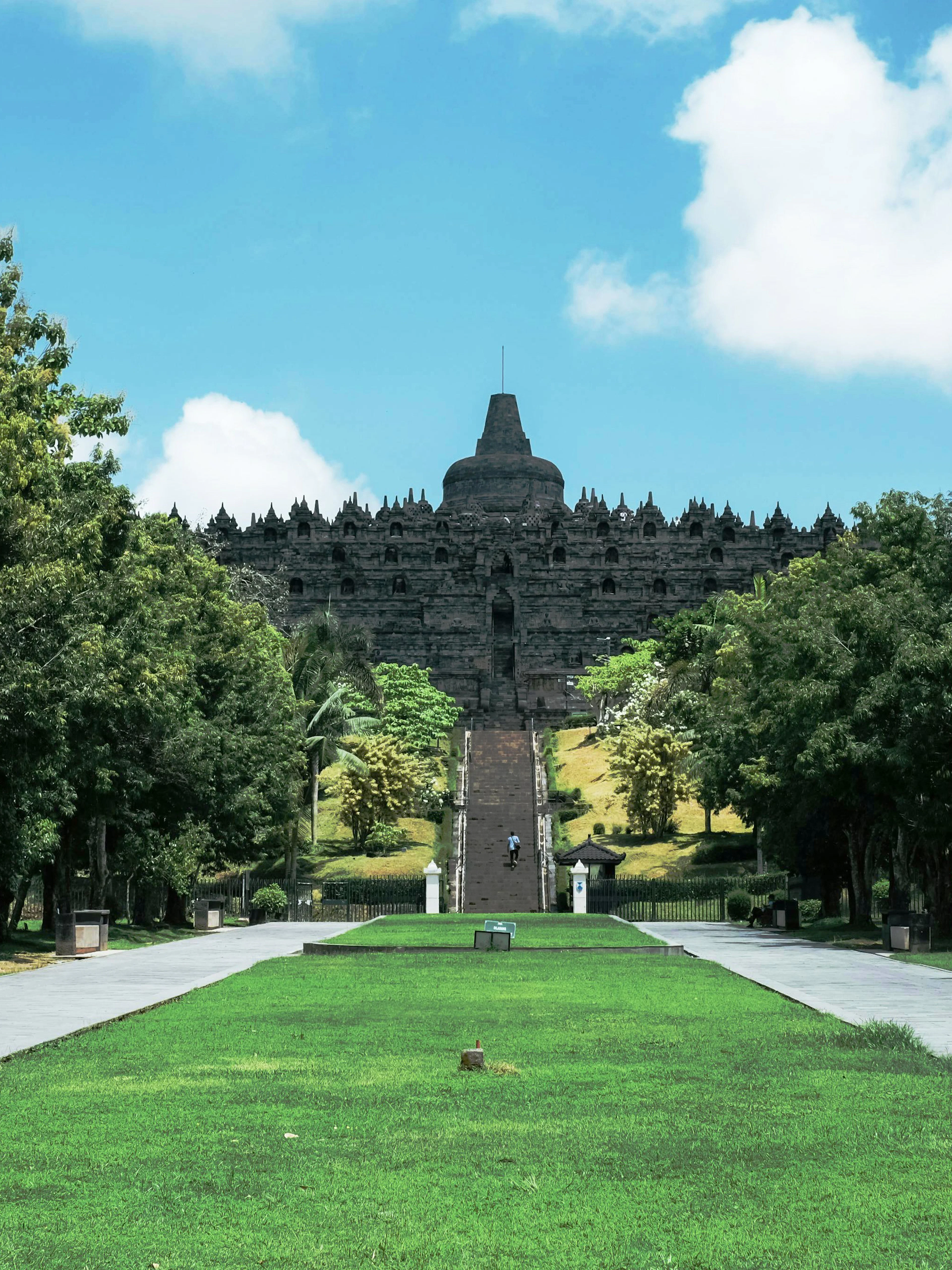
Landscaped grounds surround the monument and allow full external views without climbing. From pathways around the base, visitors can read Borobudur’s mass and symmetry before joining a timed ascent or continuing toward the site museums.
Square Terraces
Relief-Covered Galleries – 8th–9th-Century Buddhist Narratives
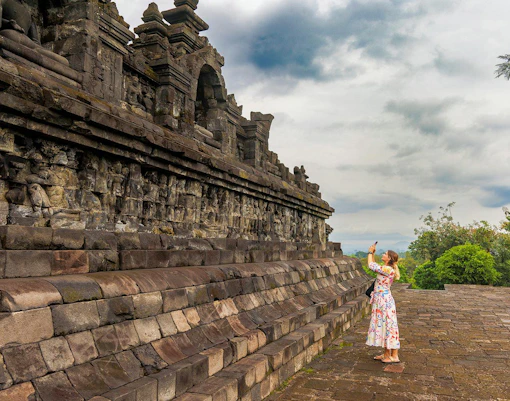
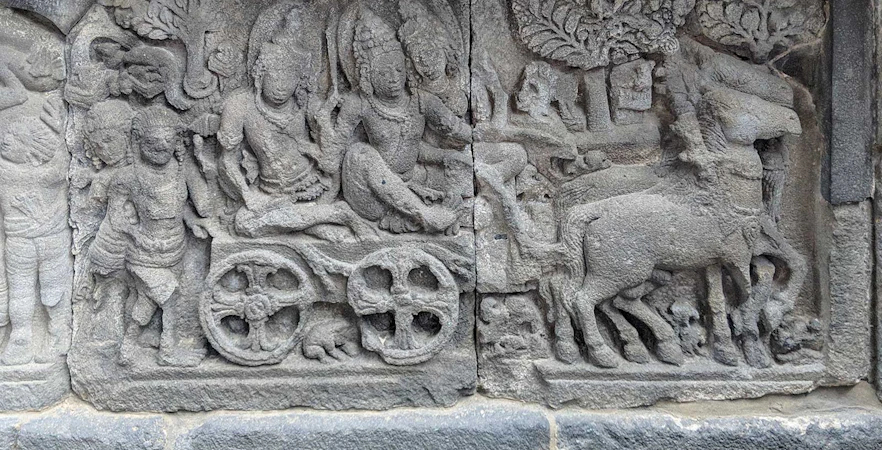
Five square terraces form the enclosed middle route, with high walls and balustrades lined in relief sculpture. Guided structure visits move through these tighter passages first, where the monument shifts from distant landmark to close stone narrative.
Circular Platforms
Upper Terrace Circuit – Open Stupa Zone
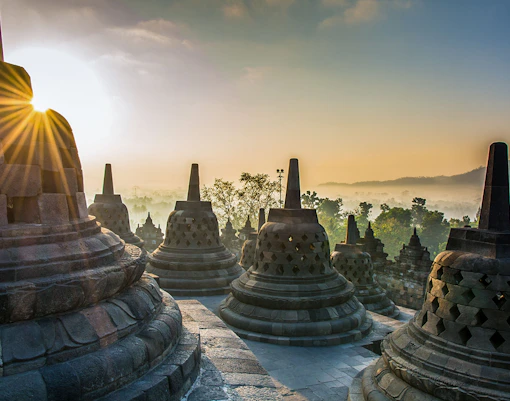
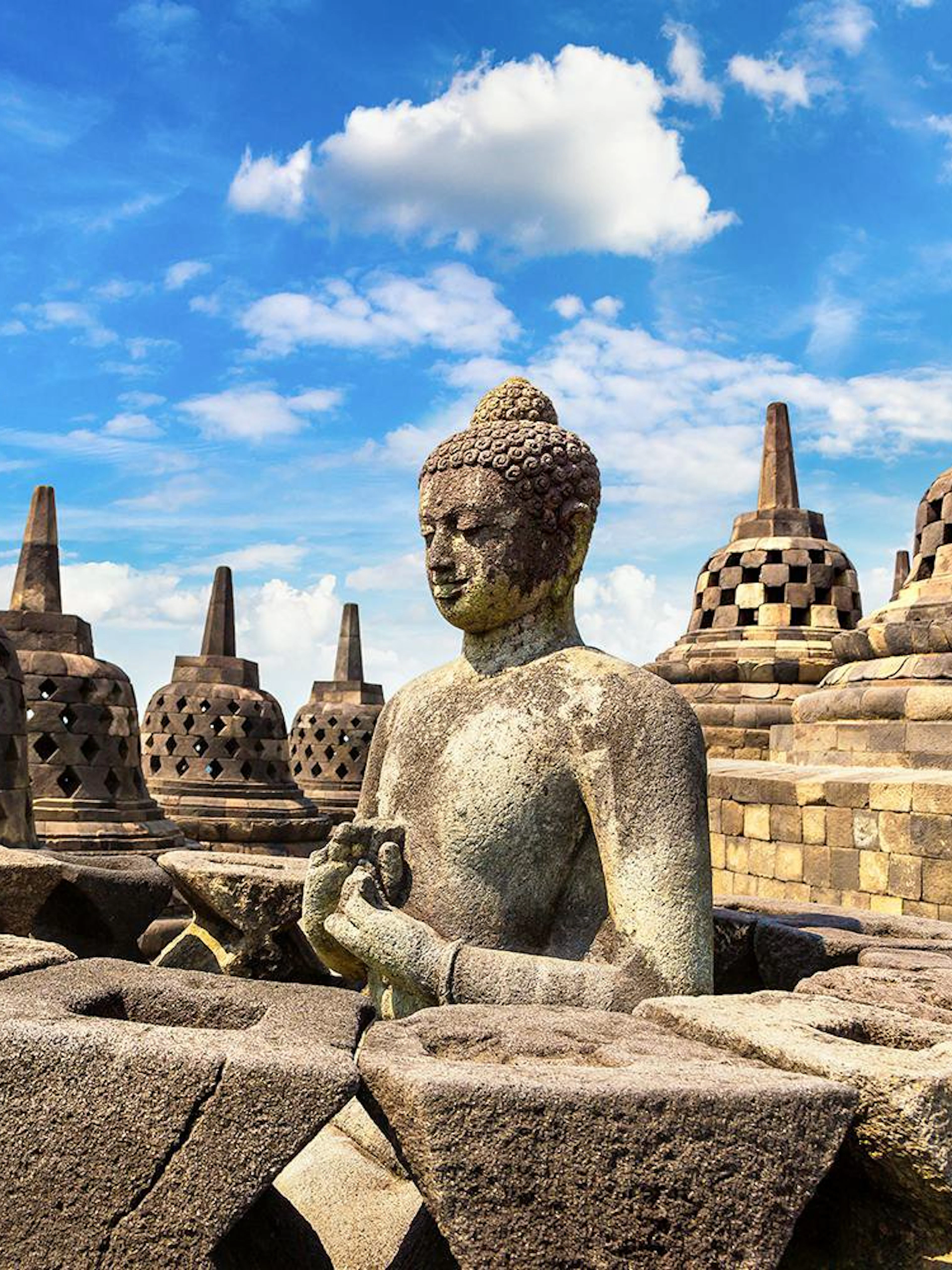
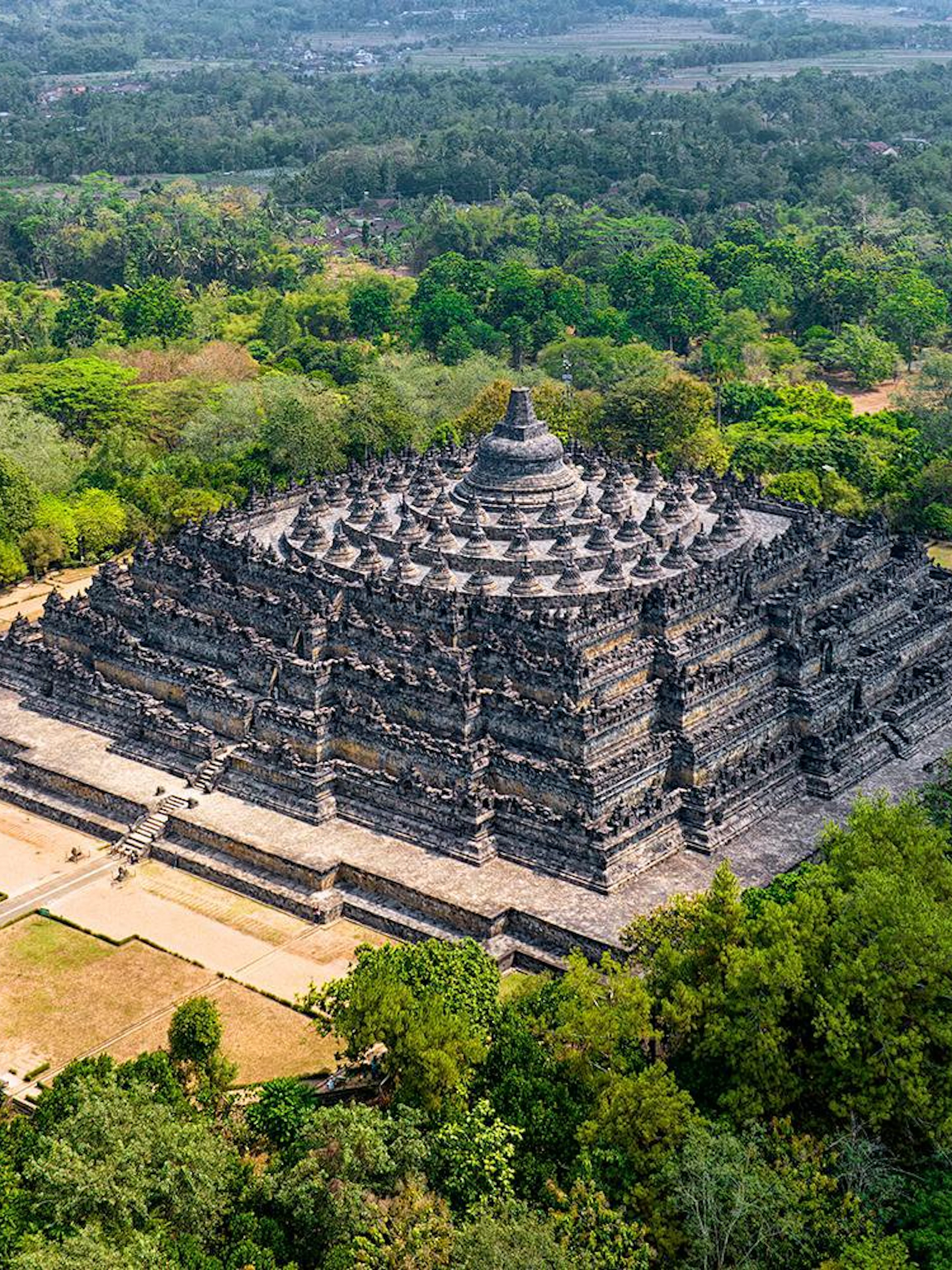
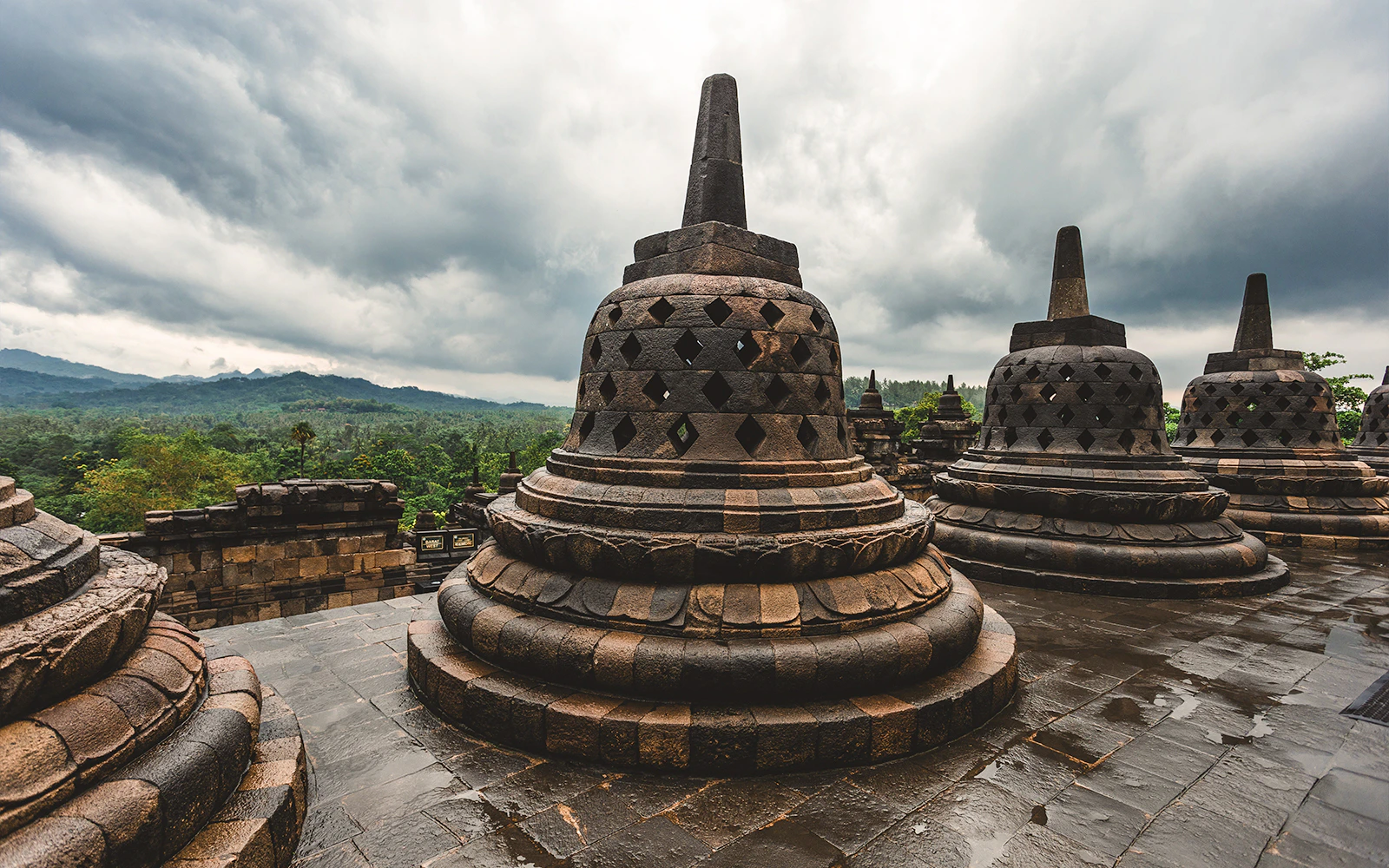
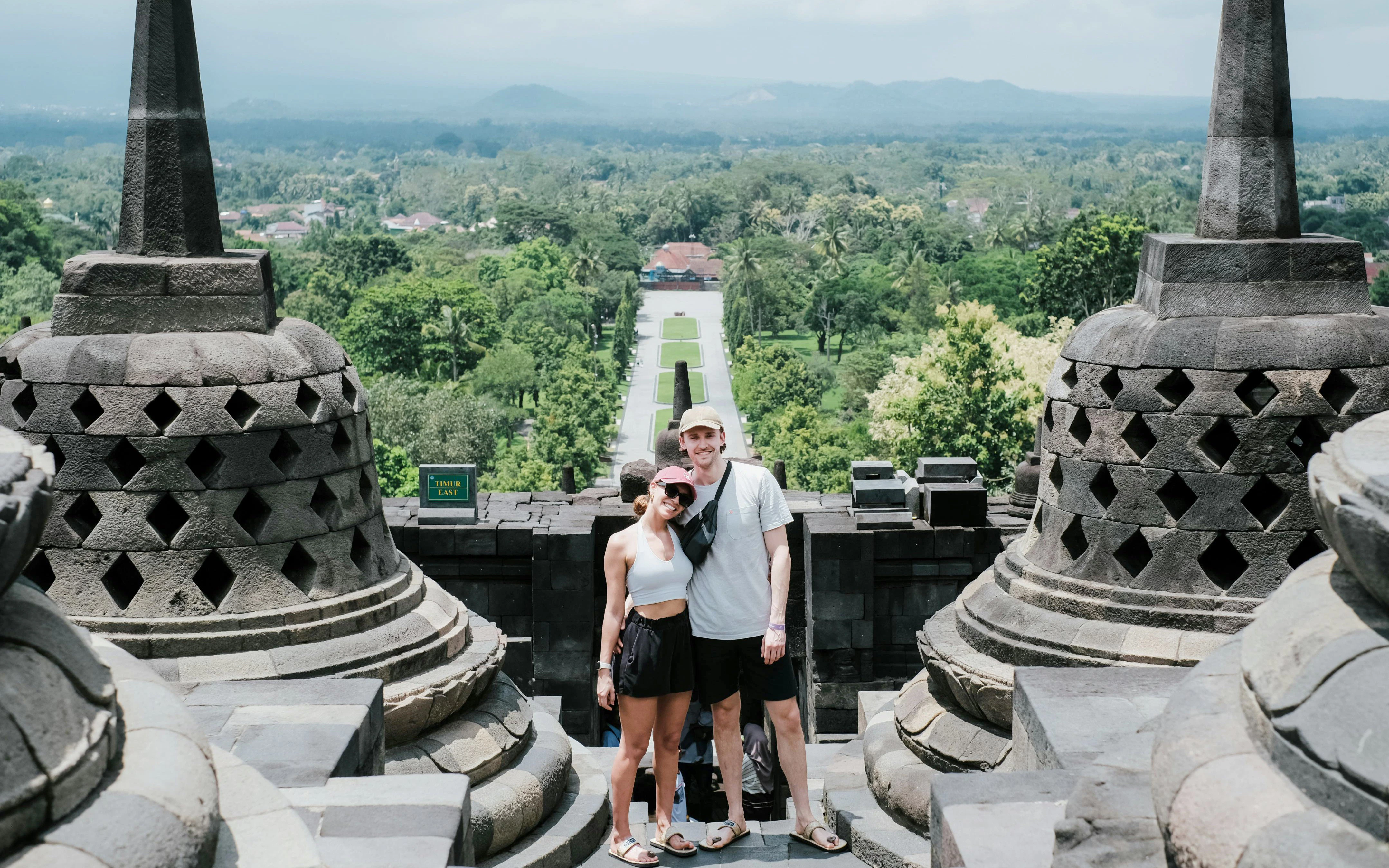
Above the square levels, three circular platforms open out into the monument’s best-known upper circuit. The path widens here, with 72 perforated stupas, broader sightlines, and valley views that contrast clearly with the denser galleries below.
Central Stupa
Monument Summit – Route Endpoint
At the top of the circular route, the large central stupa anchors the summit. Visitors reach it after circling the upper terraces, making this the clearest endpoint in the climb before descent begins.
Karmawibhangga Museum
Archaeology and Restoration Museum
Usually visited after the climb, this museum explains the concealed base, restoration work, and archaeological context. It sits within the wider complex rather than on the monument, making it a practical next stop once timed access ends.
Samudraraksa Ship Museum
Maritime Interpretation Museum
A separate museum zone expands the visit beyond the temple itself through ship imagery and reconstruction. Located within the complex, it works best as a later detour after the ascent, especially if you want context beyond Buddhist architecture.
Pawon Temple
Buddhist Satellite Temple – 8th–9th Century
East of Borobudur, Pawon is a small separate temple on the UNESCO axis linking Borobudur and Mendut. It fits as a short car, bicycle, or longer walking detour after the main complex and adds archaeological context.
Mendut Temple
Buddhist Sanctuary – 8th–9th Century
Farther east than Pawon, Mendut extends the compound into a fuller heritage route. This separate stop is usually reached by car or bicycle after Borobudur and contains the broader ritual context often missing from a monument-only visit.
Things to know before booking your Borobudur Temple tickets
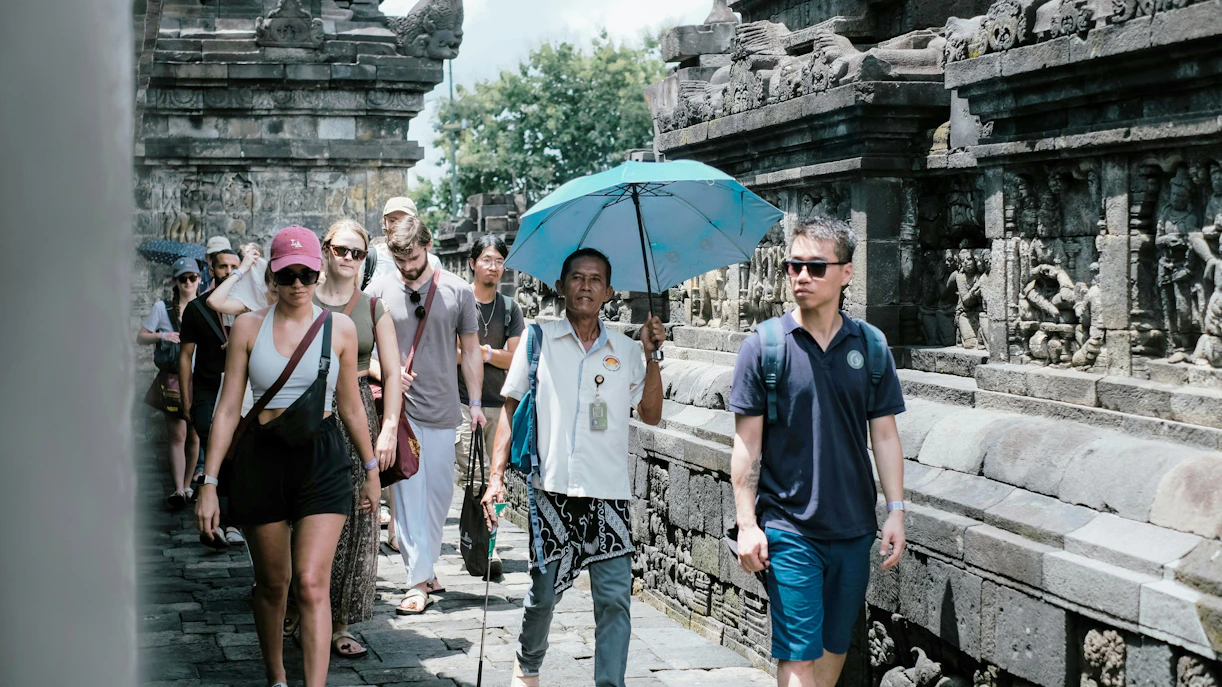
- Choose your access carefully: Temple Grounds tickets let you explore the park and view Borobudur from the outside. To climb the monument, you'll need a Temple Structure ticket or a guided tour, both of which include a licensed temple guide and the required upanat sandals.
- Book Temple Structure early: Climbing the monument is capacity-controlled, with limited daily slots that sell out well before Temple Grounds tickets, especially during holidays and peak travel periods.
- Guided tours simplify the visit: Guided tours include Temple Structure access, a licensed temple guide, and selected options add hotel transfers, making them the easiest way to visit without arranging transport separately.
- Sunrise is a different experience: Sunrise tours begin before dawn and include Temple Structure access. Selected options also include breakfast after the visit, making them ideal if you want to experience Borobudur at its quietest.
- Fast-track isn't monument priority: Fast-track tickets speed up entry formalities through the dedicated entrance but don't bypass the timed Temple Structure capacity or guided climb requirements.
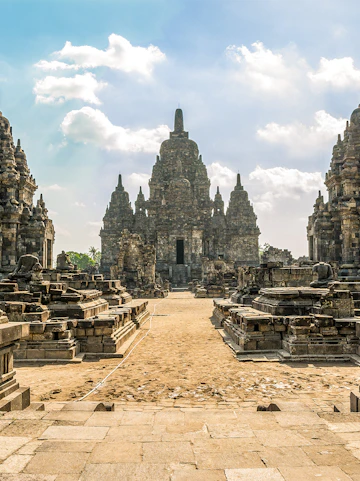
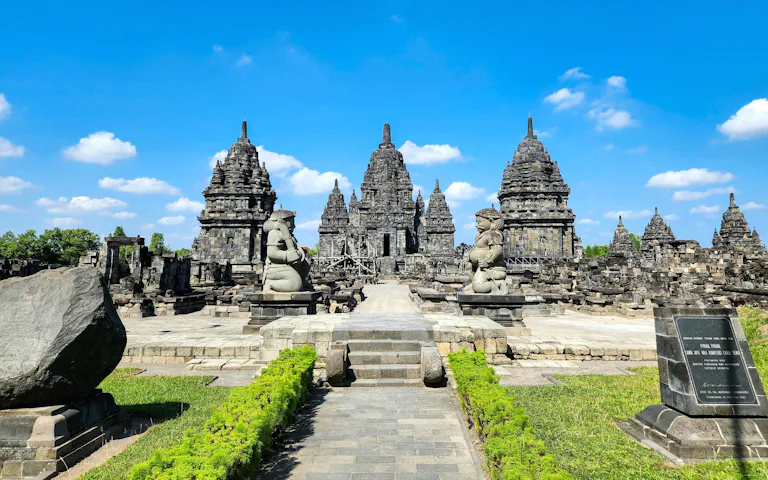
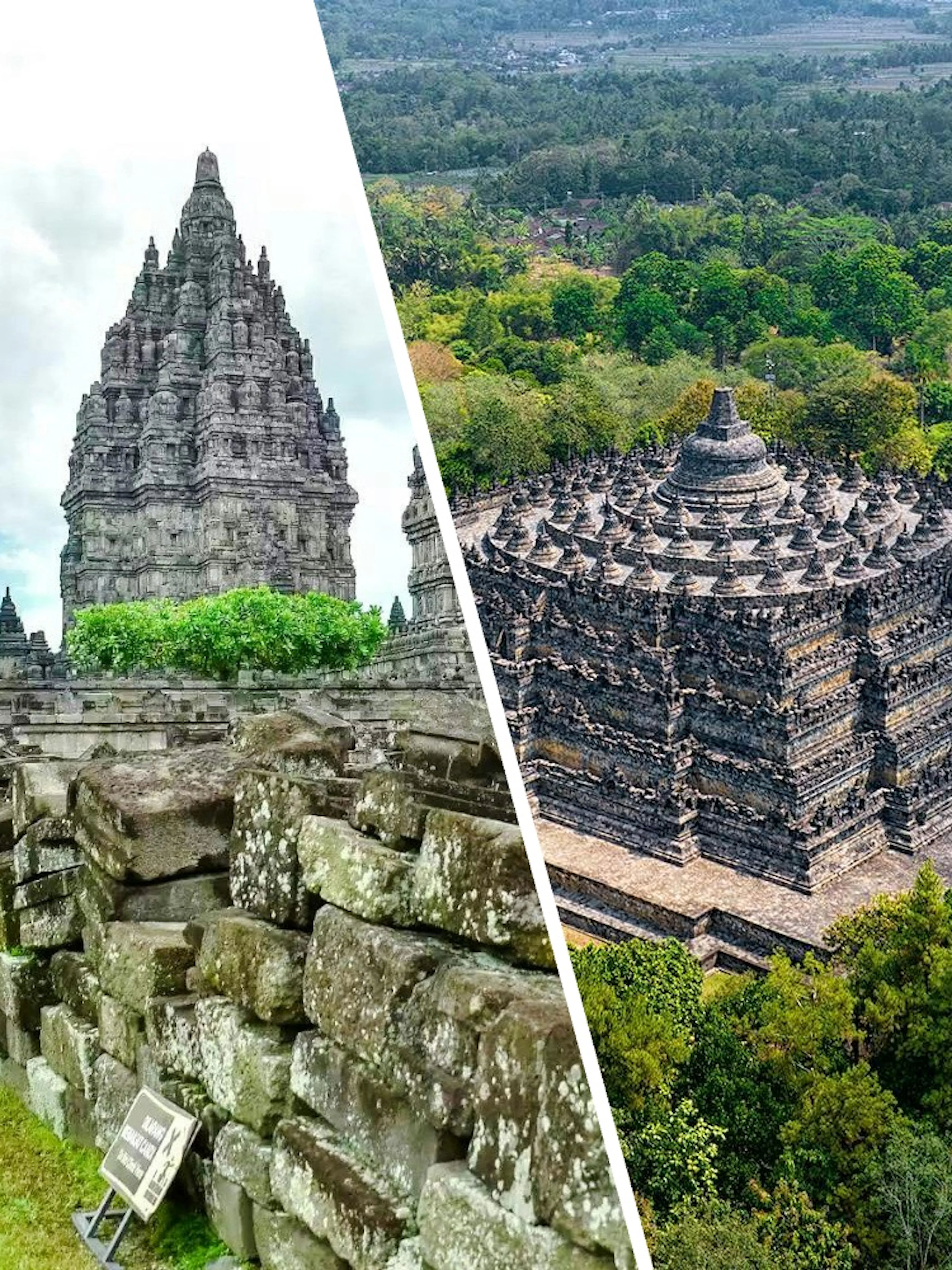
- Prambanan combo tours save planning: If you're visiting Central Java's two UNESCO World Heritage Sites, choose a Borobudur and Prambanan tour or admission combo instead of booking separate experiences.
- Allow extra time before climbing: Temple Structure visitors should arrive 30–45 minutes early for ticket validation, guide grouping, and collecting their required upanat sandals before the timed climb begins.
Highlights of your Borobudur Temple experience
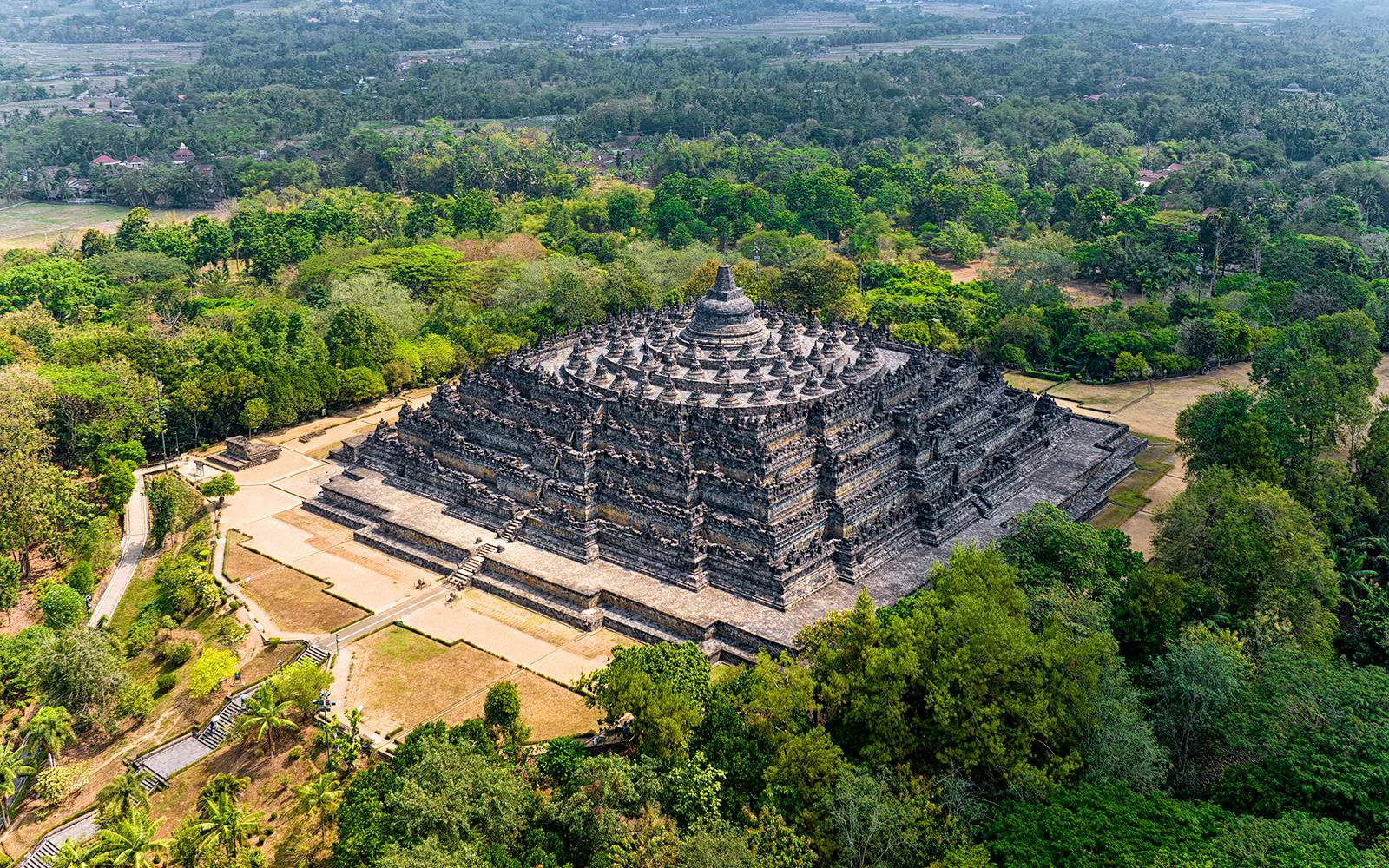
The monument rising ahead
From the approach path, Borobudur reveals itself slowly, first as a dark stepped mass above lawns and trees, then as a full stone mountain built by hand. That gradual reveal makes its scale clearer than any distant photo, especially as the upper terraces begin to separate from the base.
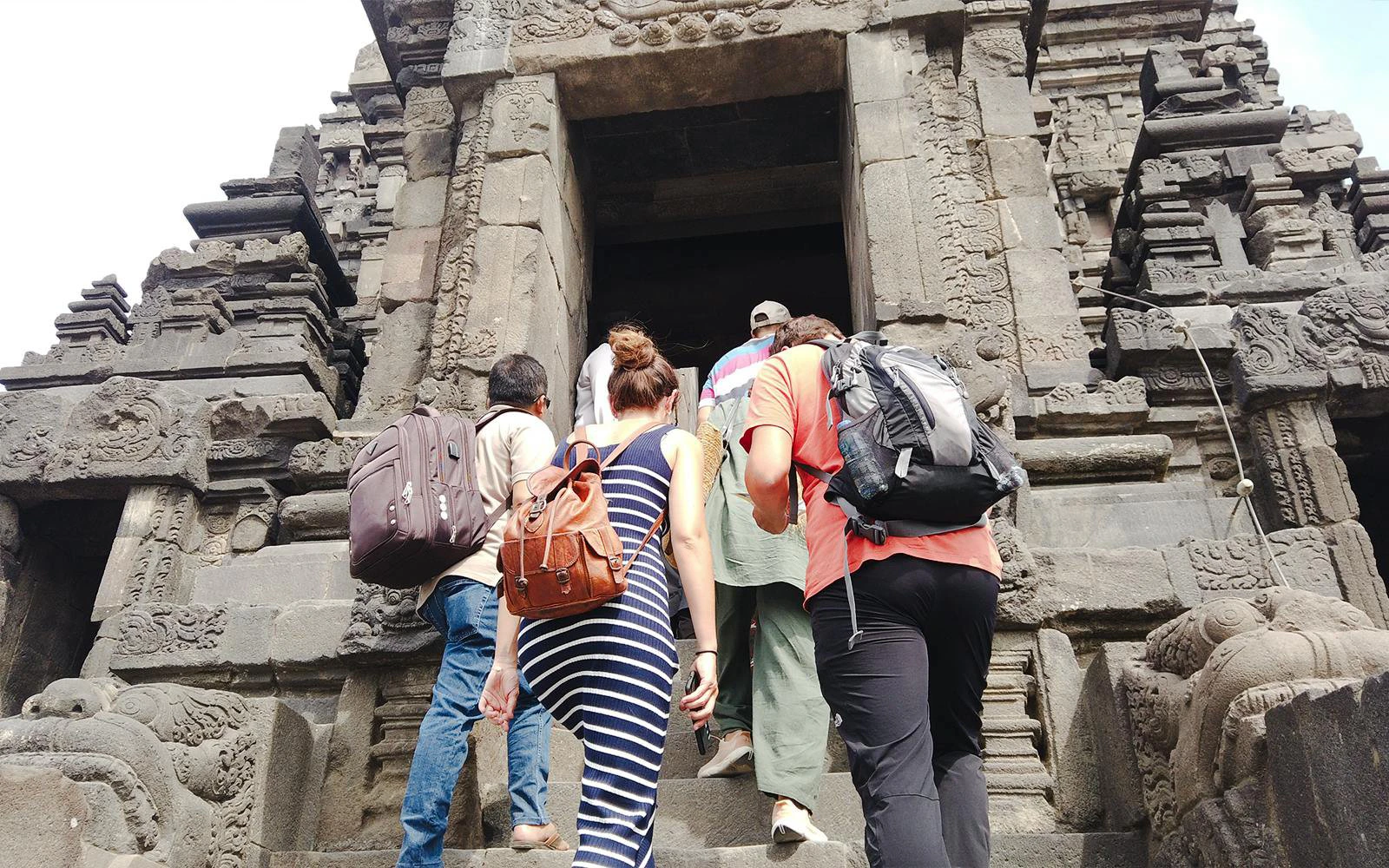

Plan your Borobudur Temple experience
Tips and guidelines
- Choose breathable clothing that covers shoulders and knees but still lets you climb steep steps easily; fitted trousers or knee-length skirts work better than long, trailing fabrics.
- In the dry season, midday sun can be harsh on the exposed terraces; pack a brimmed hat, high-SPF sunscreen and sunglasses, and reapply protection before your structure session begins.
- During the wet season, stone surfaces become slick fast; move slowly on stairs, use handrails where available, and consider a small foldable rain jacket instead of an umbrella.
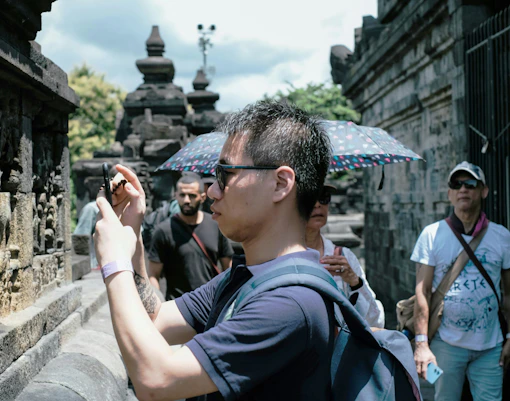
- Photography is welcomed but space is tight; keep tripods compact, step aside quickly after taking shots at viewpoints, and avoid touching stupas or reliefs to help protect the stone.
- For sunrise access, you’ll climb in darkness first; pack light, keep valuables close to your body, and let your eyes adjust rather than using phone flashlights continuously.
- There’s little shade and no seating on the upper terraces; use toilets and rest in Art Village first, and keep a small water bottle for before and after climbing.
Frequently asked questions about Borobudur Temple tickets
Not always. A Temple Grounds/Courtyard ticket lets you enter the park area and view the monument from outside. To go onto the monument itself, you need a Temple Structure ticket or an eligible sunrise, sunset, or premium variant.
The key difference is access. Grounds tickets cover the archaeological park and exterior views only. Structure tickets include timed access onto the temple, a live guide, and the required upanat sandals. If climbing matters, don’t book a grounds-only option by mistake.
Yes. Official Borobudur structure access includes a live guide, and the climb is managed as a guided experience. Ground-only tickets do not list a guide as a standard inclusion. Some third-party “guided” labels add transport, not different temple access.
Current structure access is guide-managed. Independent free-roam climbing was not verified in the official booking flow reviewed for August 2026. If you book upper-area access, expect validation, sandal distribution, and a controlled ascent rather than self-paced wandering.
Plan about 1.5–2.5 hours onsite for a standard structure visit, including processing and the guided ascent. If you also visit the museums and Art Village, allow roughly 3–5 hours. Tours from Yogyakarta often take much longer because of road transfers.
Arrive 30–45 minutes before your timed structure, sunrise, or sunset session. That buffer covers ticket validation, wristbanding, security, and sandal collection. If you arrive late, access may be limited by the site’s controlled entry system.
Upanat are the special sandals required for anyone climbing the temple structure. They’re provided with structure, sunrise, sunset, and eligible premium tickets to help protect the stone. Wear shoes that are easy to remove before the ascent begins.
No. Standard structure tickets start during daytime hours and do not include pre-dawn access. For sunrise on the monument, you need the official Borobudur Sunrise experience, which starts at 4am and is limited to 100 visitors per day, so booking ahead matters more than for regular daytime slots.
The official Borobudur sunrise ticket includes monument access, a professional guide, wristband, flashlight, upanat sandals, and breakfast at Manohara. It starts at 4am and is capped at 100 people daily.
No. Dagi breakfast is a separate morning product centered on Dagi Hill, with breakfast and cultural elements. It is not the same as the 4am Borobudur Sunrise monument-access ticket. Check the exact package before booking if sunrise access matters.
Not always. Some Yogyakarta tours include the Borobudur structure ticket, while others only include transport and require separate admission payment. Always read the inclusion list carefully. If climbing is essential, look for explicit wording about structure or upper-area access.
Not completely. Fast-track or prebooked entry can reduce ticketing and coordination delays, but it does not remove timed-slot controls. Structure visitors still go through validation, wristbanding, sandal issue, and guided batch handling before they climb.
Sometimes, but it’s risky if climbing is important to you. Structure access is capacity-controlled, and sellouts are a recurring issue in traveler reports. Booking in advance is the safer choice, especially for early sessions, weekends, holidays, and sunrise access.
The visitor grounds, museums, and Art Village are more accessible than the monument itself. The temple structure climb involves steep stone stairs and is not independently wheelchair accessible based on the verified public information reviewed.
Children can visit Borobudur, and official domestic pricing includes a child category for ages 3–10. However, a universal minimum age for the structure climb was not clearly published. Adults should judge whether a child can manage steep stairs, heat, and guided pacing.